FDA clears Xenix Medical’s Lux fusion system
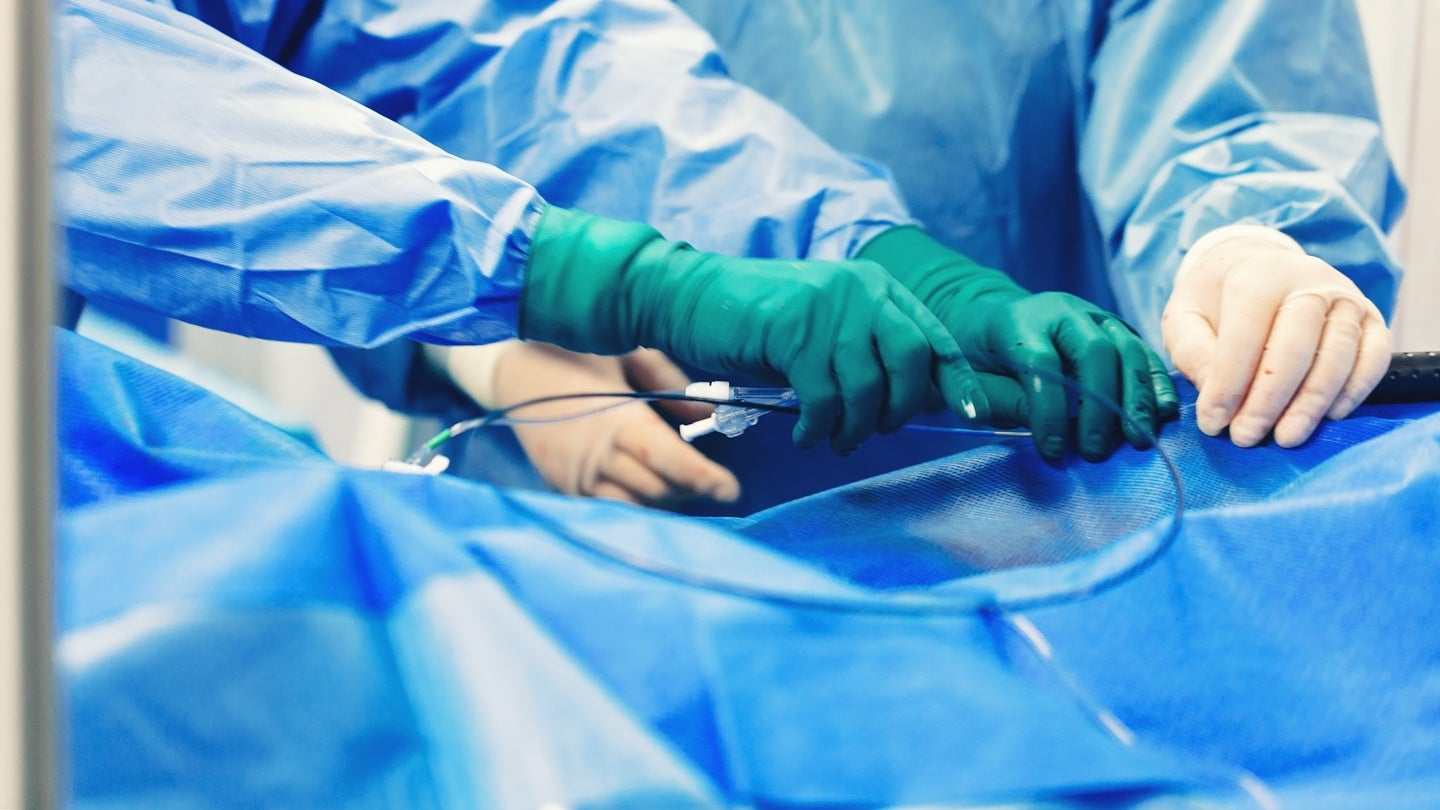
The FDA has cleared Xenix Medical's Lux fusion system, a spinal fusion surgical device designed to improve procedural success rates and offer greater flexibility after implant placement.
Curated from medtech publications. Product launches, FDA clearances, M&A, technology shifts — rewritten as short briefs, linked back to the source. Filter by theme below.
The FDA has cleared Xenix Medical's Lux fusion system, a spinal fusion surgical device designed to improve procedural success rates and offer greater flexibility after implant placement.
Stevanato Group launched Deora, a multi-use, fixed-dose pen injector for subcutaneous delivery of diabetes and weight-management therapies. The device is positioned for use across multiple drug development programs.

Medtronic obtained CE mark approval for its Stealth AXiS surgical system for ENT procedures, enabling market entry across Europe. The system supports image-guided surgery in otolaryngology applications.
The FDA issued an early alert regarding GE HealthCare's infant resuscitation systems, citing a potential issue with certain blenders that mix air and oxygen to deliver controlled oxygen concentration. The alert affects devices used in neonatal and pediatric critical care settings.
Dexcom presented data on its G7 continuous glucose monitoring system showing efficacy in type 2 diabetes patients not requiring insulin therapy. The company expects the findings may influence clinical practice patterns for this patient population.
Tandem Diabetes Care obtained CE mark approval for expanded indications of its automated insulin delivery systems, now cleared for use in type 2 diabetes and type 1 diabetes patients who are pregnant. The expanded authorization widens the addressable patient population in European markets for Tandem's AID platform.

Healthcare organizations face growing cybersecurity threats driven by geopolitical actors seeking disruption rather than ransom, according to analysis of targeted infrastructure attacks. The shift from financially motivated cybercrime to state-sponsored chaos-focused campaigns poses distinct operational and safety risks that most providers are unprepared to address, requiring new defensive strategies and vendor partnerships.
Zepto Life Technology's FungiFlex mould panel has received FDA Breakthrough Device designation. The panel identifies 14 clinically important mould species using cell-free fungal DNA detection in plasma, enabling faster diagnosis of invasive fungal infections in immunocompromised patients.
Sophia Genetics and Memorial Sloan Kettering Cancer Center have partnered to develop a precision oncology hub focused on multimodal approaches. The collaboration aims to advance diagnostic and treatment strategies in oncology through combined expertise in genetic analysis and clinical care.
Cordica Medical, a medical device contract development and manufacturing organization, has acquired RapidWerks' micro-molding capabilities. The acquisition expands Cordica's precision manufacturing capacity for miniaturized medical devices, adding dedicated automated micro-molding for mass production to its integrated design and manufacturing services.
Roche has developed a research-use-only (RUO) PCR assay for rapid detection of Ebola Bundibugyo virus. The molecular test leverages Roche's existing PCR platform capabilities to address detection of this rare viral variant.
GE HealthCare received FDA 510(k) clearance for MIM Contour ProtégéAI+ 2.0, an AI-powered software tool. The clearance expands GE's portfolio of computational aids for medical imaging and oncology planning workflows, enabling vendors and providers to adopt the updated solution for clinical use.

CereVasc closed an $85 million Series C funding round to support development of its eShunt system, a minimally invasive alternative to conventional brain shunt surgery for hydrocephalus treatment. The company expects to complete a pivotal clinical trial and submit to the FDA in 2027.
Edwards Lifesciences received FDA approval in May 2026 for Triformis Resilia, the first surgical valve designed specifically for the tricuspid position. The device incorporates a design modification that addresses an unmet clinical need in tricuspid valve replacement, marking a new product entry in the structural heart device market.
CereVasc raised $85 million to advance development of eShunt, an implantable system for treating normal pressure hydrocephalus through cerebrospinal fluid drainage. The funding supports clinical advancement and commercialization of the device.
ResMed completed its acquisition of Noctrix Health for $340 million. Noctrix's lead product, Nidra, is a neuromodulation device targeting peroneal nerves to treat restless leg syndrome symptoms. The deal expands ResMed's portfolio in sleep and respiratory care.
Medtronic has filed with the FDA seeking to expand clearance for its Hugo RAS robotic-assisted surgery system to general and gynaecologic surgery indications. The company submitted multiple regulatory filings to broaden the platform's approved use cases beyond its current scope.
Insulet has begun distributing an updated version of its Omnipod 5 automated insulin delivery system across the US following 510(k) regulatory clearance in December 2025. The update includes algorithm improvements to the closed-loop control system.
AccurKardia received a U.S. patent for an AI-powered system that detects cardiac amyloidosis from standard 12-lead ECGs. The machine learning technology addresses delayed diagnosis in a disease area where early detection is challenging, expanding the company's AI-ECG analytics pipeline.
Microsoft and Mayo Clinic announced a partnership to develop an advanced AI model for healthcare applications. The collaboration aims to leverage Mayo's clinical expertise and data with Microsoft's AI infrastructure to build tools that address healthcare workflows. Terms and specific use cases were not detailed.
Microsoft and Mayo Clinic formed a partnership to develop a frontier AI model for healthcare applications. The model, owned by Mayo Clinic, will integrate the health system's de-identified clinical data and longitudinal insights with Microsoft's AI, engineering, and cloud infrastructure. The collaboration aims to advance AI capabilities in clinical settings by combining clinical expertise with technology infrastructure.
The FDA has issued guidance on how artificial intelligence and machine learning in medical devices will be regulated. Manufacturers incorporating AI/ML into products must determine regulatory classification and whether the software itself requires separate oversight. The guidance clarifies FDA authority over both device hardware and software components.
Beth Israel Lahey Health is implementing ambient AI in exam rooms to reduce physician documentation burden and improve patient engagement. The technology captures and processes clinical conversations without requiring clinicians to maintain eye contact with computer screens during appointments, allowing providers to focus more directly on patients while EHR data is populated automatically in the background.
The Healthcare and Public Health Sector Coordinating Council has released new guidance on cybersecurity risks specific to healthcare AI systems. The guide addresses governance and security considerations as providers increasingly deploy AI across clinical and operational workflows, going beyond existing regulatory requirements to help organizations establish effective AI cybersecurity practices.
HeartBeam reported positive study data supporting an indication expansion of its ECG device into heart attack detection. The data advance the scientific foundation for the company's planned product expansion, though specific clinical endpoints and timeline for regulatory submission were not detailed in the announcement.
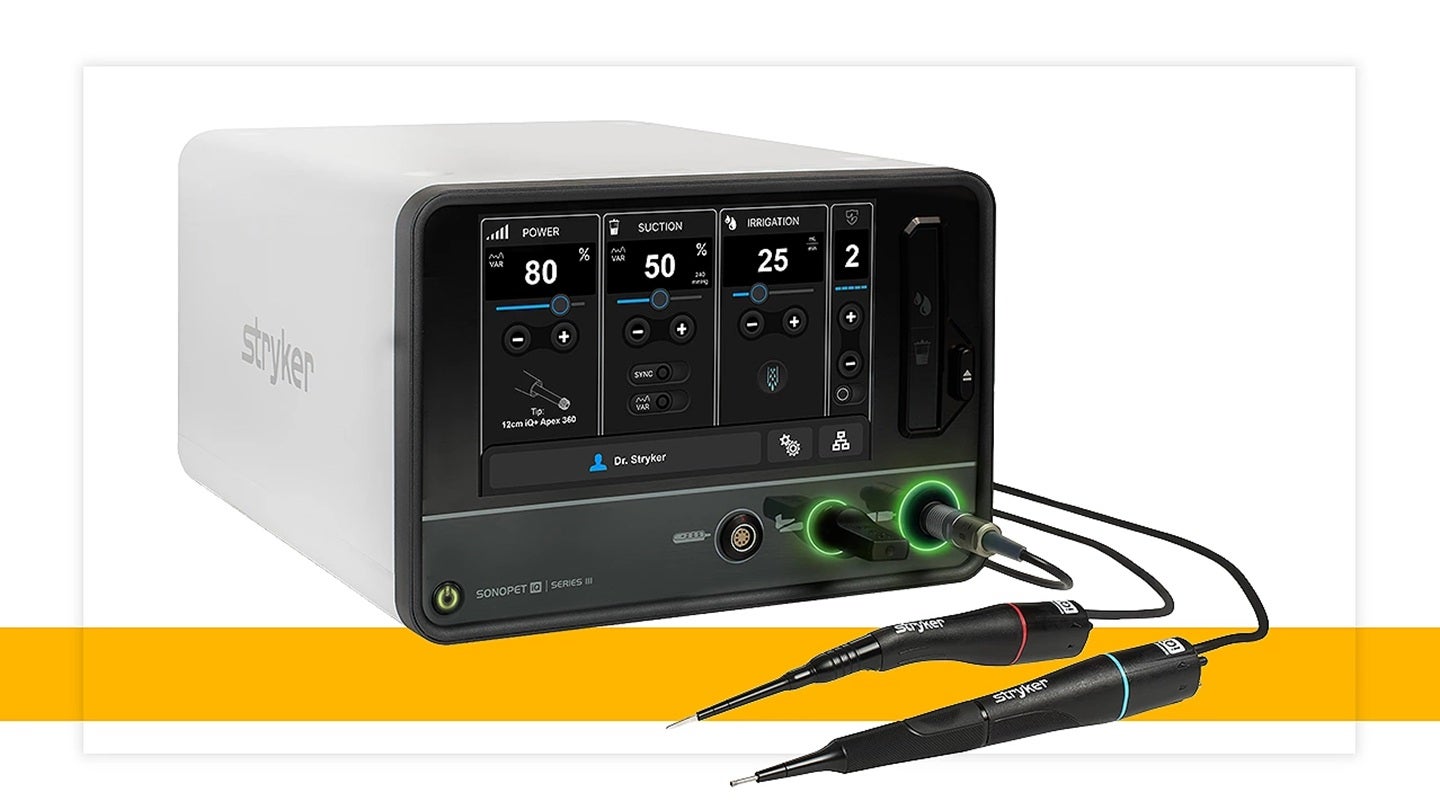
Stryker launched TPX HD, a small bone power tool designed for orthopaedic procedures including total joint revisions, minimally invasive surgery, and oral maxillofacial operations. The tool expands Stryker's surgical instrument portfolio for complex bone work.
Philips received FDA 510(k) clearance for Elevate Plus, a software upgrade that adds imaging and AI capabilities to its EPIQ Elite and Affiniti ultrasound systems. The clearance enables the company to deploy enhanced diagnostic features across its installed base of ultrasound platforms.

Novellia raised $18 million in Series A funding to expand its real-world data platform, which enables patients to consolidate medical records and share anonymized data with pharmaceutical companies. The platform aims to improve drug research by sourcing more complete healthcare datasets directly from patient sources.
Elation Health acquired Aster, an EHR startup focused on women's health, to expand its AI-enabled electronic health record capabilities. Elation, a California-based supplier of cloud-based clinical EHRs, telehealth services, and practice management software for primary care providers, added Aster's women's health specialization to its existing portfolio of digital tools for healthcare providers.
SS Innovations CEO Dr. Sudhir Srivastava outlined plans for a flying surgical robot, the Vimana Aero drone, targeting mid-2026 launch. The company unveiled a conceptual design in April and is working through engineering and regulatory challenges to develop an autonomous aerial platform for surgical applications.
Epic Systems has integrated a firearm injury risk screening tool developed by Northwell Health into its EHR platform. The tool enables clinicians to identify patients at elevated risk during clinical encounters. The integration expands access to the screening capability across Epic's user base of healthcare systems and providers.
Subtle Medical closed a $33 million Series C funding round and appointed industry veteran Ohad Arazi as CEO to lead global commercialization of its AI imaging software. The company develops artificial-intelligence tools for medical image processing and analysis.
Nephrodite's Holly implantable continuous dialysis system has been selected for the FDA's Total Product Life Cycle Advisory Program (TAP) pilot. The device previously received FDA Breakthrough Device Designation. The TAP program is designed to expedite patient access to innovative medical devices through enhanced regulatory guidance and support.
The European Medicines Agency has launched a pilot programme offering expert support to manufacturers developing breakthrough medical devices through a new innovative device pathway. The initiative is designed to streamline regulatory review and guidance for qualifying emerging technologies, potentially accelerating time to market for novel solutions.
Abbott presented data from a prospective sub-study of the PARTNER trial at ASCO26, demonstrating the clinical utility of its MRD (minimal residual disease) test in predicting triple-negative breast cancer recurrence. The findings support the diagnostic value of Abbott's molecular assay in identifying patients at risk of recurrence following treatment.
Made Scientific will manufacture NOVAKnee, a biologic total knee replacement implant, for use in a Phase I clinical study in the US. The announcement signals progression of the device toward human trials, though specific clinical details and regulatory pathway remain unspecified in the source.
MicroPort CardioFlow has launched its LBBOT Solution commercially in Europe and Australia following regulatory approvals. The solution addresses left bundle branch block treatment, expanding the vendor's cardiac care portfolio in international markets.
Seoul National University Hospital and Harvard Medical School have developed a virtual hospital framework for validating large language model-based medical AI. The Clinical Environment Simulator uses two synchronized core engines to dynamically evaluate medical AI systems, offering a standardized platform for testing AI-driven diagnostic and clinical decision-support tools before real-world deployment.
Epic Systems has integrated a firearm injury risk screening tool developed by Northwell Health into its EHR platform. The tool, created through NIH-funded research, enables healthcare providers to screen patients for firearm injury risk and systematically collect data on firearm-injured patients within Epic workflows.
Philips has partnered with Disney to integrate Disney characters and storytelling into its Ambient Experience platform for pediatric MRI systems. The initiative, building on Philips' existing ambient experience technology from the early 2000s, aims to reduce anxiety and improve the scanning experience for child patients by embedding Mickey Mouse, Yoda, and other Disney IP into medical facility environments.
228 older stories available.